Compounded vs. Brand-Name GLP-1s Explained
Brand-name and compounded GLP-1s can share an active ingredient but are regulated very differently. Here's what that means before you talk to a provider.
For educational purposes only. Not medical advice, and not a substitute for a visit with a licensed provider.
If you’ve looked into GLP-1 medicines for weight management, you’ve probably seen two very different kinds of offers: brand-name pens and pills from the drug makers, and “compounded” semaglutide or tirzepatide from telehealth companies. They can sound interchangeable. They aren’t.
The short version: brand-name GLP-1s are FDA-approved products made by one manufacturer and tested in large clinical trials. Compounded GLP-1s are prepared by a licensed pharmacy for one patient at a time, and they are not FDA-approved. Both need a prescription, and the right choice depends on your health history, your goals and what a licensed provider thinks is appropriate for you.
What GLP-1 medicines are
GLP-1 medicines mimic a hormone your gut releases after you eat. It signals fullness to the brain and slows how quickly the stomach empties, so many people feel satisfied with less food.
Three active ingredients matter for weight management today:
- Semaglutide, a once-weekly injection or a once-daily pill (Wegovy, and Ozempic for type 2 diabetes)
- Tirzepatide, a once-weekly injection that acts on two hormone pathways, GLP-1 and GIP (Zepbound, and Mounjaro for type 2 diabetes)
- Orforglipron, a once-daily pill (Foundayo)
They’re used alongside a reduced-calorie diet and more physical activity, not instead of them. The most common side effects are digestive: nausea, diarrhea, constipation and vomiting, especially while the dose is being increased.
Brand-name GLP-1s
Brand-name GLP-1s are made by their manufacturers, reviewed by the FDA for safety, effectiveness and quality, and sold in fixed doses with official prescribing information. The options approved for chronic weight management in adults are:
- Wegovy (semaglutide) injection, once weekly, including a higher 7.2 mg dose, Wegovy HD, approved in March 2026 for people who have already tolerated the 2.4 mg dose
- Wegovy pill (oral semaglutide), once daily, approved in December 2025 as the first GLP-1 pill for weight management; taken on an empty stomach with a sip of water
- Zepbound (tirzepatide) injection, once weekly
- Foundayo (orforglipron), once daily, approved in April 2026; it can be taken at any time of day, with or without food
Ozempic and Mounjaro contain the same ingredients as Wegovy and Zepbound, but they’re approved for type 2 diabetes, not weight management.
Compounded GLP-1s
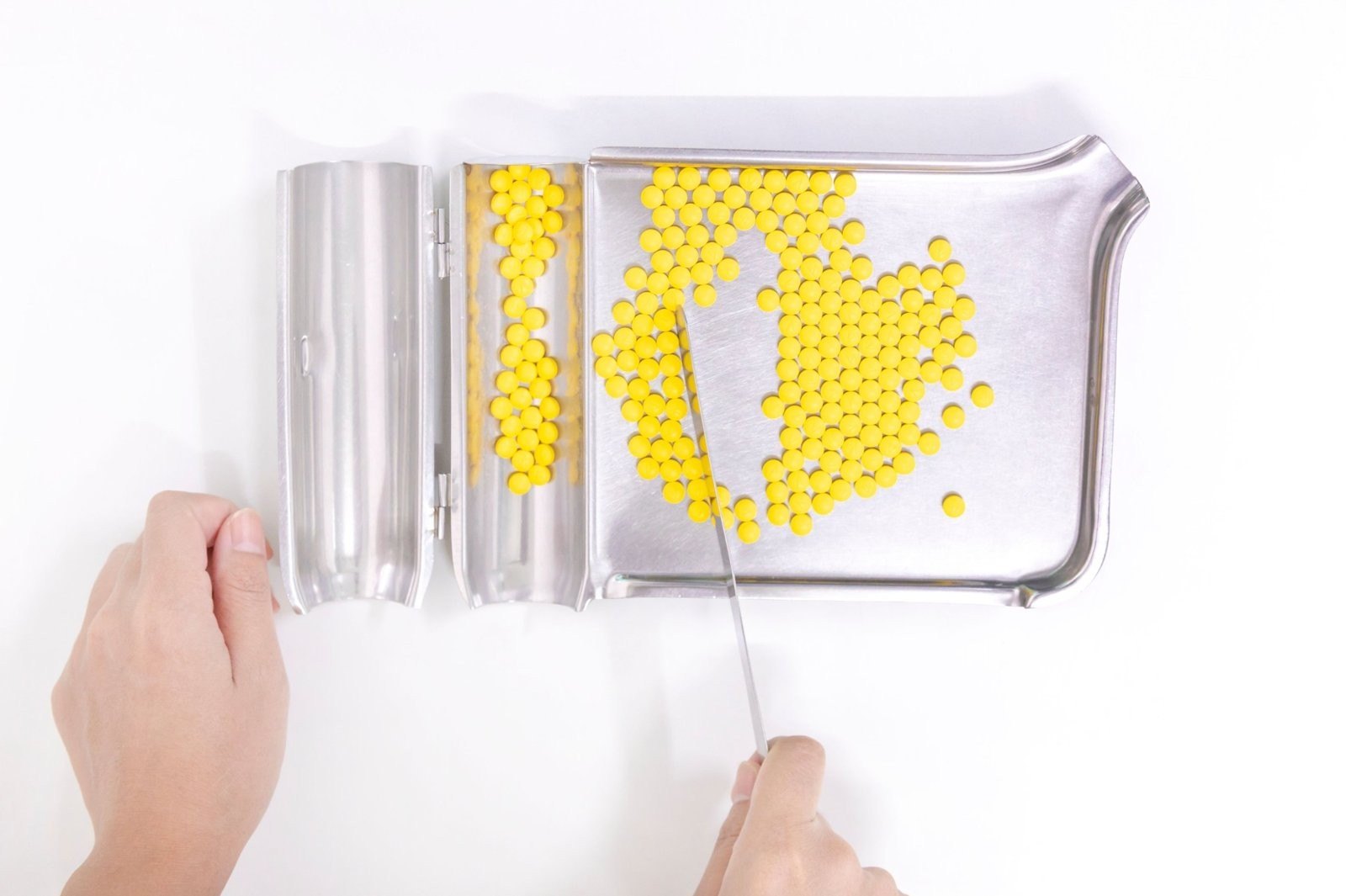
Compounding is when a licensed pharmacy prepares a medicine for a specific patient based on a prescription, often in a dose or form not sold commercially. Compounded semaglutide and tirzepatide are not generic versions of Wegovy or Zepbound, and they’re not FDA-approved: the FDA doesn’t review their safety, effectiveness or quality before they reach patients.
What has changed recently:
- The shortages are over. Semaglutide and tirzepatide were on the FDA’s shortage list from 2022, which let pharmacies make copies at scale. The FDA declared both shortages resolved in late 2024 and early 2025.
- Compounding has to be patient-specific. A traditional (503A) pharmacy may compound only for an identified patient, with a valid prescription from a provider who has reviewed that patient.
- Large-scale compounding is being closed off. On April 30, 2026, the FDA proposed excluding semaglutide, tirzepatide and liraglutide from the list that lets outsourcing facilities compound them in bulk. That proposal doesn’t change the rules for traditional pharmacies filling individual prescriptions.
If you’re considering a compounded GLP-1, a few checks matter. It should come from a state-licensed pharmacy. It should need a prescription from a licensed provider who reviews your health history. And nobody should tell you it’s “the same as” or “generic” Wegovy or Zepbound. Avoid anything sold as “for research use only.”
Side by side
| Brand-name GLP-1 | Compounded GLP-1 | |
|---|---|---|
| FDA approval | Approved for the labelled use | Not FDA-approved |
| Who makes it | The manufacturer, in FDA-inspected plants | A state-licensed pharmacy, for one patient at a time |
| Active ingredient | Semaglutide, tirzepatide or orforglipron | Usually semaglutide or tirzepatide |
| Forms | Pre-filled pens or pills in set doses | Vials or dissolving tablets, depending on the pharmacy and prescription |
| Clinical trials | Large trials behind the approval | None for the specific compounded product |
| Prescription | Required | Required |
| Insurance | Sometimes covered | Usually self-pay |
How to decide, with a provider
Safety is the same either way. Brand-name or compounded, these medicines share the same active ingredients and the same risks. GLP-1 labels carry a boxed warning about a possible risk of thyroid C-cell tumors seen in animal studies, and GLP-1s aren’t for people with a personal or family history of medullary thyroid cancer or MEN 2.
Beyond that, there isn’t one right answer for everyone. These are the questions a provider usually works through with you:
- Your health history. A history of pancreatitis, gallbladder disease, kidney problems or certain thyroid cancers can rule GLP-1s out or call for extra care.
- Your other medicines. GLP-1s slow digestion, which can affect how some oral medicines are absorbed, and they can raise the risk of low blood sugar alongside insulin or sulfonylureas.
- Shots or pills. Some people prefer a weekly injection; others would rather take a daily pill and follow its timing rules.
- Insurance and budget. If your plan covers a brand-name option, that may change the math. If you’re paying yourself, ask for the full monthly cost, including shipping.
- Pregnancy plans. GLP-1s aren’t used during pregnancy, and some labels advise stopping well before trying to conceive.
GLP-1s work best as part of a longer-term plan. If you stop, much of the lost weight often returns, so it helps to talk through what the plan looks like after the first few months.
Frequently asked questions
Is compounded semaglutide the same as Wegovy?
It has the same active ingredient, but it isn’t the same product. Wegovy is FDA-approved and made by one manufacturer. Compounded semaglutide is prepared by a licensed pharmacy for an individual patient, and the FDA doesn’t review it for safety, effectiveness or quality before it’s sold. It also isn’t a generic version of Wegovy.
Do I need a prescription for a compounded GLP-1?
Yes. A licensed provider has to evaluate you and write a prescription, and a state-licensed pharmacy fills it. If a seller offers a GLP-1 without asking about your health, treat that as a warning sign.
Can pharmacies still compound GLP-1s now that the shortages are over?
Yes, but only when a licensed provider decides an individual patient needs something the FDA-approved product doesn’t offer, such as a different dose or form, or an added ingredient. The FDA says compounded drugs should be used only when a patient’s medical needs can’t be met by an approved drug.
What should I check on a compounded GLP-1 label?
Look for the pharmacy’s name and address, your name, the prescriber, the dose and directions, a lot number and a beyond-use date. The FDA warns that spelling errors or a wrong pharmacy address on a label can be signs of a fake product. If you’re prescribed an injectable, it should arrive cold.
Are the side effects different?
The active ingredients are the same, so the side effects and risks are the same. The FDA has also received reports of dosing errors with compounded versions, so make sure you understand your dose and how to measure it before you start.
How Surna can help

Surna Health is a technology platform that connects adults with independent licensed providers in their state. Through Surna, a provider can review both kinds of options with you: brand-name GLP-1s (Wegovy, Wegovy pill, Zepbound and Foundayo) and compounded semaglutide or tirzepatide, as injections or dissolving tablets.
It starts with an online assessment that takes about five minutes. A licensed provider reviews your answers and decides whether a treatment is appropriate; some care may need labs or a video visit. If you’re prescribed something, a state-licensed pharmacy fills it and ships it to you. You’re only charged if you’re approved.
A prescription is required, and treatment isn’t guaranteed: a licensed provider decides whether any medicine is appropriate for you. Compounded medicines are not FDA-approved and are not generic versions of brand-name drugs. Ozempic and Mounjaro are FDA-approved for type 2 diabetes, not weight management. Not available in all states. This article is general information, not medical advice.
Source: U.S. Food and Drug Administration, FDA’s Concerns with Unapproved GLP-1 Drugs Used for Weight Loss.