How to Tell If NAD+ Is Legit: 6 Checks to Run
See how to tell if NAD+ is legit with 6 checks before you inject: provider review, named pharmacy, label details, and red flags like research use only wording.
For educational purposes only. Not medical advice, and not a substitute for a visit with a licensed provider.
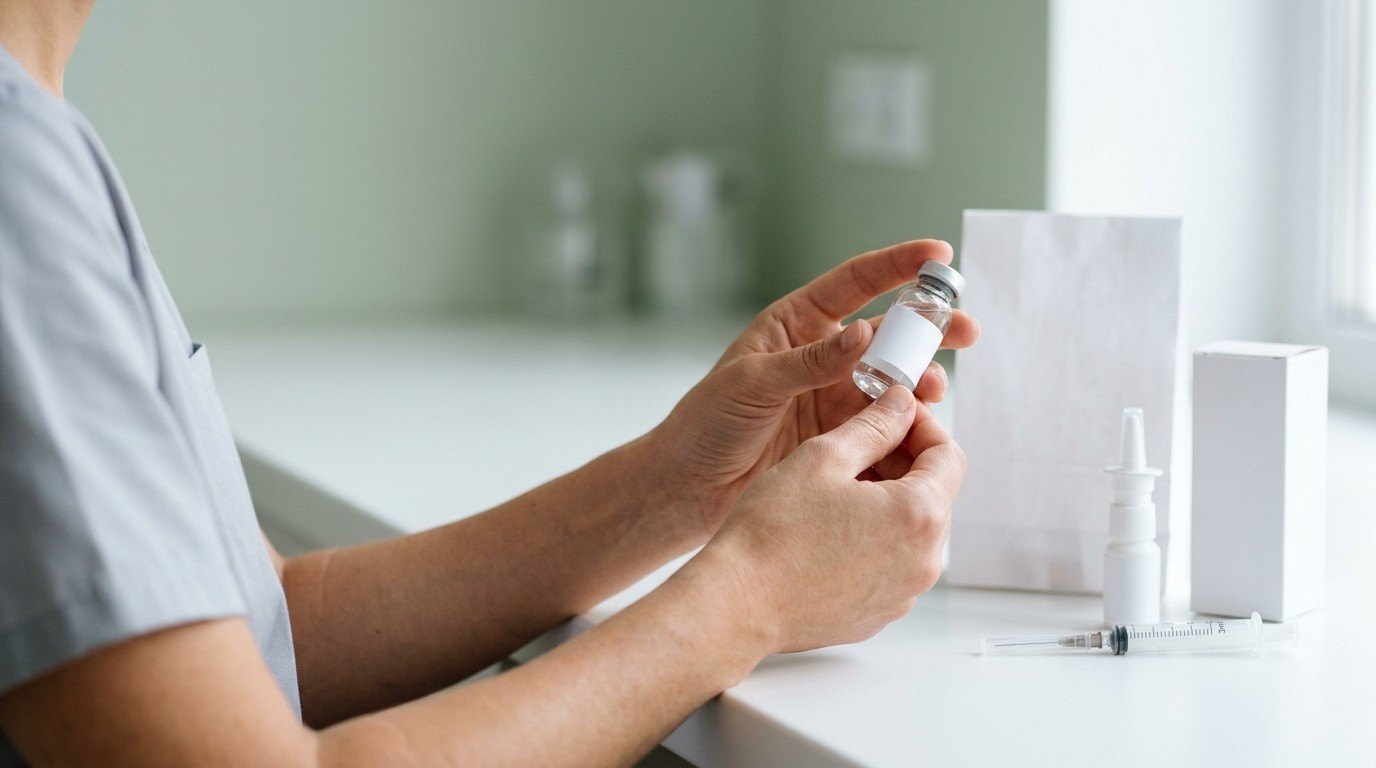
If you’ve been looking into NAD+, you’ve probably noticed how many options there are: low-cost vials from sellers you can’t identify, nasal sprays, telehealth programs, and plenty of confident promises in between. Telling them apart takes more than a product photo. This guide uses six practical checks to show you how to tell if NAD+ is legit. They go with our ‘Is your NAD+ legit?’ video series. The checklist works for any NAD+ source, including ours, so you can vet a product before you inject it or use a nasal spray.
What NAD+ Is (and What We Actually Know)
NAD+ (nicotinamide adenine dinucleotide) is a coenzyme found in every cell of your body. It helps your cells use energy, which is one reason researchers have studied NAD+ levels as part of aging research.
Here’s the honest part. Evidence in people for NAD+ injections or NAD+ nasal spray is limited, and researchers are still studying these forms. NAD+ is not FDA-approved for any use. A seller who calls it proven or promises specific results is claiming more than the science supports.
When the evidence is still developing, the source matters even more. You should always know exactly what you’re taking and who prescribed it.
Every check in this guide comes back to that point. Before you compare prices or formats, it helps to know which kinds of NAD+ are sold online.
The 3 Kinds of NAD+ Sold Online
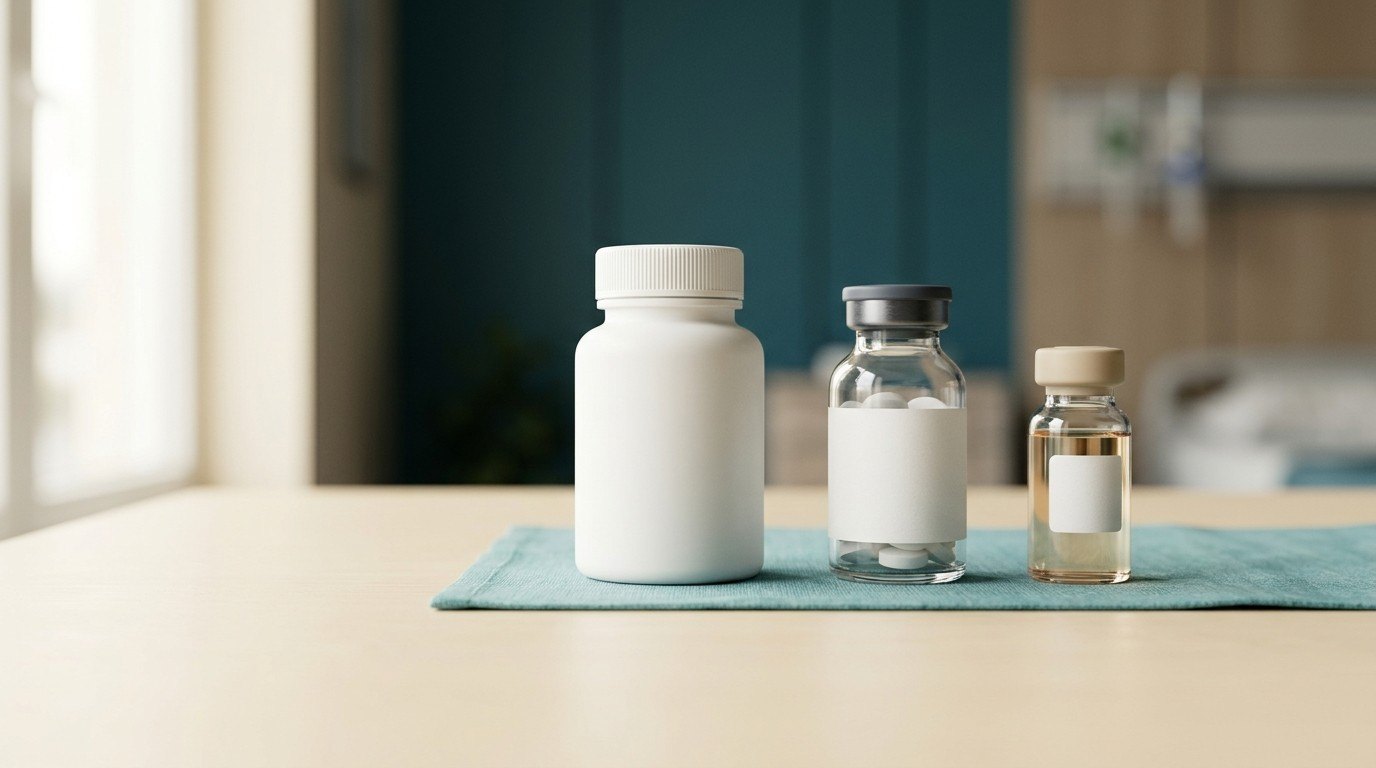
Most NAD+ you’ll find online falls into one of three categories. Each comes with a different level of oversight.
Oral Supplements
Oral NAD+ products are sold over the counter as dietary supplements, usually labeled as NAD+ or as NAD+ precursors. You don’t need a prescription to buy them. The FDA does not review dietary supplements for safety or effectiveness before they go on sale, so the label is mostly the manufacturer’s own description of what’s inside.
Prescribed Compounded NAD+
With compounded NAD+, a licensed provider first reviews your health and decides whether to write a prescription. If you get one, a licensed pharmacy prepares the NAD+, for example as an injection or nasal spray, and labels it for you. Compounded drugs are not FDA-approved. This route still adds accountability: a named prescriber, a named pharmacy, and a label made out to you. Surna Health uses this model for its longevity and wellness care.
‘Research Use Only’ Vials
‘Research use only’ NAD+ is sold as a chemical for lab work and is not made for people. These vials come with no provider review, no prescription, and no patient label. As a buyer, you usually can’t tell how the product was made, handled, or tested before it reached you. If you’ve been using vials like these and want a provider-guided option, you can see how switching from a research site works.
6 Checks Before You Inject
Whether you’re weighing NAD+ injections or NAD+ nasal spray, these six checks take a few minutes and show you who stands behind the product.
- Someone asked about your health first
- A licensed U.S. provider is named
- The pharmacy is named on the label
- No ‘research use only’ wording
- Lot number and beyond-use date on the label
- No miracle claims
1. Someone Asked About Your Health First
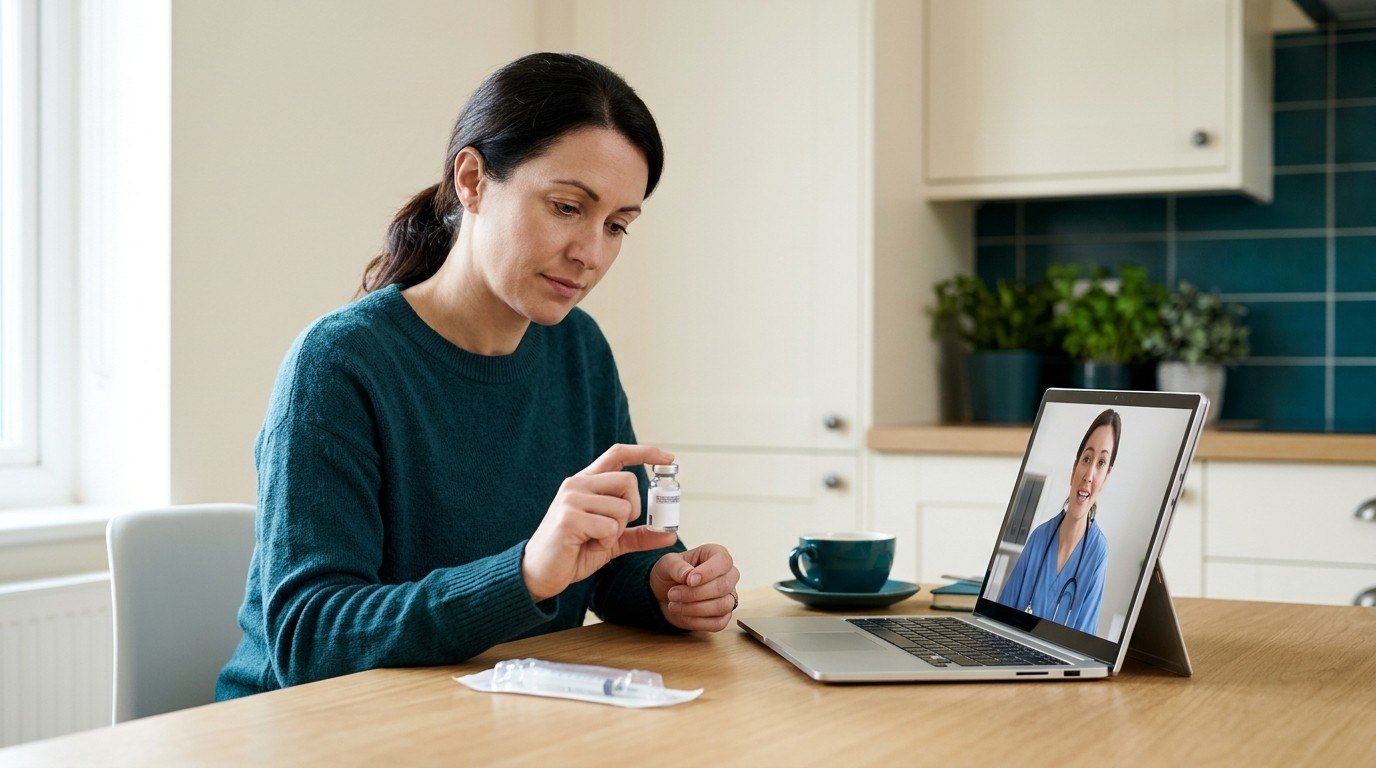
A legitimate prescription starts with questions about your health history, current medications, and any conditions you’re managing. A provider uses your answers to decide whether NAD+ is a reasonable option for you. If you can check out with no questions asked, no one has looked at whether it’s appropriate for you.
2. A Licensed U.S. Provider Is Named
You should know exactly who prescribed your NAD+. A named, licensed U.S. provider is professionally accountable for that decision. You can look up their license through your state’s medical board, or through the state board of nursing for nurse practitioners. If a seller can’t tell you who the prescriber is, treat that as a warning sign.
3. The Pharmacy Is Named on the Label
The label should show the dispensing pharmacy’s name, not hide it behind a brand name or a vague “partner lab.” Once you have the name, you can check the pharmacy’s license through your state board of pharmacy. An unnamed or hard-to-trace source is a red flag, however polished the website looks.
4. No ‘Research Use Only’ Wording
Phrases like “research use only” or “not for human use” mean the product was not made or labeled for people. Some sellers tuck this wording into small print and still market the same vials for wellness. However the product is advertised, that wording tells you it isn’t meant for you to inject or spray.
5. Lot Number and Beyond-Use Date on the Label
A lot number ties the product to a specific batch, so it can be traced if questions or a recall come up. A beyond-use date tells you when a compounded preparation should no longer be used. If either detail is missing, ask the seller why before you use the product.
6. No Miracle Claims
Evidence in people is still limited, so any seller promising cures, reversed aging, or guaranteed results is overselling. Honest sources tell you what isn’t known as well as what is, and they leave the decision about whether NAD+ fits you to a licensed provider.
What a Pharmacy Label Should Show
Your NAD+ pharmacy label is the fastest way to see who is accountable for what you’re using. A legitimate prescription label shows:
- Patient name: yours, because the prescription was written for you.
- Prescriber name: the licensed provider who approved it.
- Dispensing pharmacy name: the licensed pharmacy that prepared it.
- Medication and strength: NAD+ and its concentration.
- Directions: how much to use and how often.
- Lot number: the batch it came from.
- Beyond-use date: the last date to use it.
‘Research use only’ vials carry none of this. They have no patient name, no prescriber, and no directions for a person. They carry only wording saying the product isn’t for human use. Keep your label and compare it to this list.
Questions to Ask a Provider
Ask questions before you start. A good provider welcomes them. At Surna Health, those questions are part of how provider-guided care works.
- Is NAD+ appropriate for me given my health history?
- Which pharmacy will fill it, and is it licensed?
- What are the possible side effects?
- How should I use and store it?
- What does the evidence show, and what doesn’t it show?
- What happens if I want to stop?
Write down the answers so you can compare them with your label when your prescription arrives.
How Surna Works
Here is how Surna Health’s process for prescription NAD+ online lines up with the six checks.
- Online assessment: You answer questions about your health, history, and goals first (Check 1).
- Provider review: A licensed U.S. provider reviews your answers and makes the decision. Not everyone qualifies (Check 2).
- Licensed pharmacy: If you’re prescribed NAD+, a licensed U.S. pharmacy prepares it. That pharmacy is named on your label (Check 3).
- No ‘research use only’ products: Every vial or spray is dispensed to you as a patient (Check 4).
- Your format: Injection and nasal spray have the same regular price. There are no membership fees, and you can cancel anytime.
Surna makes no miracle claims about NAD+, which fits Check 6.
Get Started
The weekly NAD+ injection or the nasal spray is $99/mo on the 3-month plan ($297 every 3 months), for as long as your plan stays active. No code is needed: the intro price is applied when you start. The regular price is $199/mo, plus shipping. One intro price per customer, and new sign-ups for this offer end Jan 31, 2027.
A prescription is required, and approval is not guaranteed. A licensed provider decides after reviewing your assessment. The first step is the same for everyone: Start your online assessment.
Frequently Asked Questions
Is NAD+ FDA-approved?
No. NAD+ is not FDA-approved for any use, and compounded drugs are not FDA-approved either. If a licensed provider decides it’s appropriate for you, a licensed pharmacy prepares it under your name. FDA’s position on compounding NAD+ has been under review, so ask your provider and pharmacy how they handle it.
What does research show about NAD+ injections or nasal spray?
Evidence in people for NAD+ injections or nasal spray is limited, and NAD+ is not proven to treat or prevent any condition. Before you start, ask your provider what the research shows and what it doesn’t.
What does ‘research use only’ mean?
It means the product is sold for laboratory research and is not made for people. These products have no prescriber, no patient label, and no directions for human use. If you have been buying from a research site, you can see how switching to prescribed care works.
Does everyone qualify for prescription NAD+ online?
No. At Surna, a licensed U.S. provider reviews your online assessment and decides whether NAD+ is appropriate for you. A prescription is not guaranteed. The service is also not available in every state, so check where we treat before you begin.
How much does NAD+ cost through Surna, and are there membership fees?
The regular price is $199/mo plus shipping for either the injection or the nasal spray. For new sign-ups through Jan 31, 2027, the intro price is $99/mo for either one on the 3-month plan ($297 every 3 months), applied automatically with no code needed. There are no membership fees, and you can cancel anytime.
A Final Note on NAD+ and FDA Status
Before you decide, keep two facts in view: NAD+ is not FDA-approved for any use, and compounded drugs are not FDA-approved. Run the six checks on any source you’re considering, and let a licensed provider decide whether NAD+ fits you.
Educational only, not medical advice. Rx required; prescription not guaranteed. Not available in all states.
Source: U.S. Food and Drug Administration, Compounding and the FDA: Questions and Answers.
Know exactly what you're taking and who prescribed it
With Surna Health, a licensed provider reviews your health first. If NAD+ is prescribed, a named state-licensed pharmacy prepares and labels it for you.